
Why Refinish Hardwood Floors Instead of Replacing Them?
When hardwood floors begin showing their age, many homeowners assume replacement is the only way to achieve a fresh, updated appearance. However, if the existing flooring is structurally sound and has sufficient wood thickness, professional refinishing is often a more practical and cost-effective solution.
1. Preserve the Quality of Existing Hardwood
Quality hardwood flooring can last for generations when properly maintained. Replacing structurally sound flooring may mean removing valuable material that simply needs professional restoration. Refinishing allows homeowners to preserve the original hardwood while addressing surface scratches, worn finishes, and outdated stain colors.
2. Update the Color Without Replacing the Floor
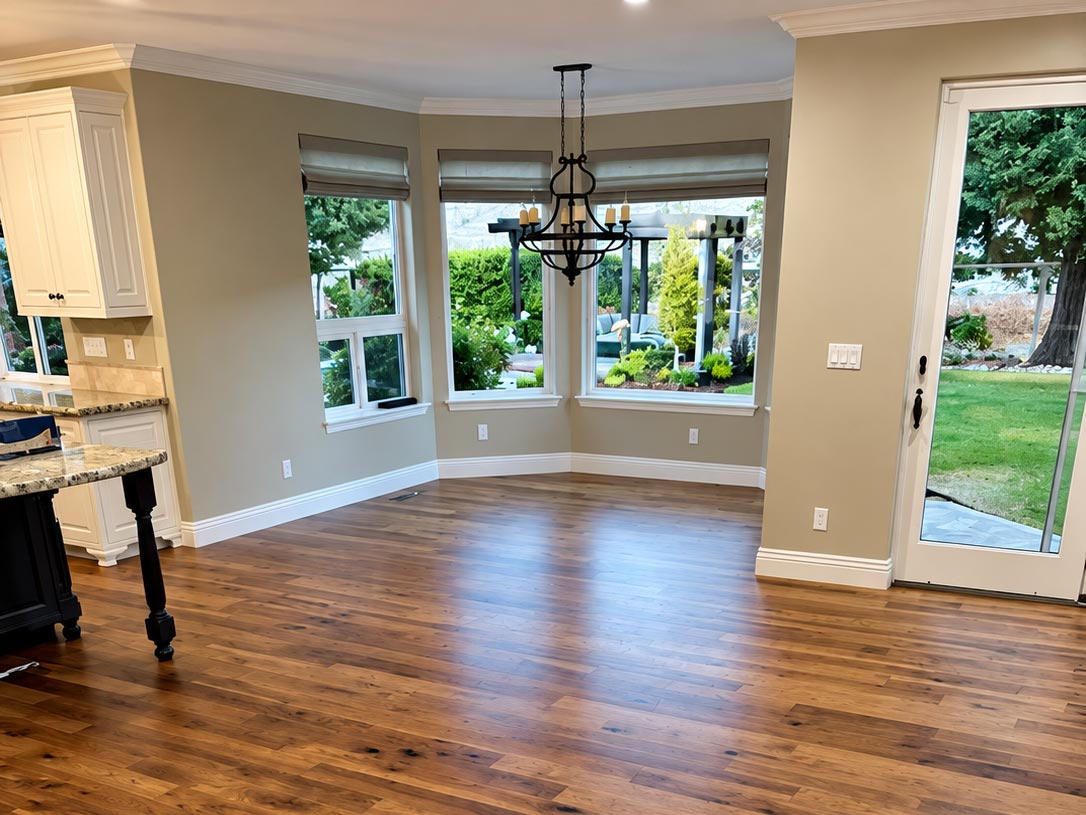
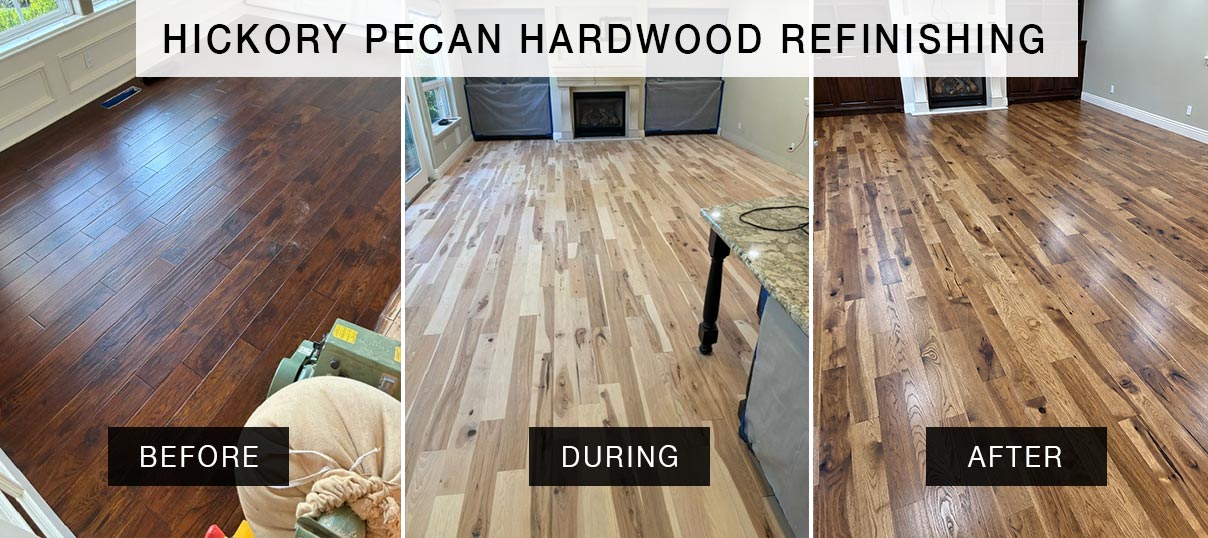
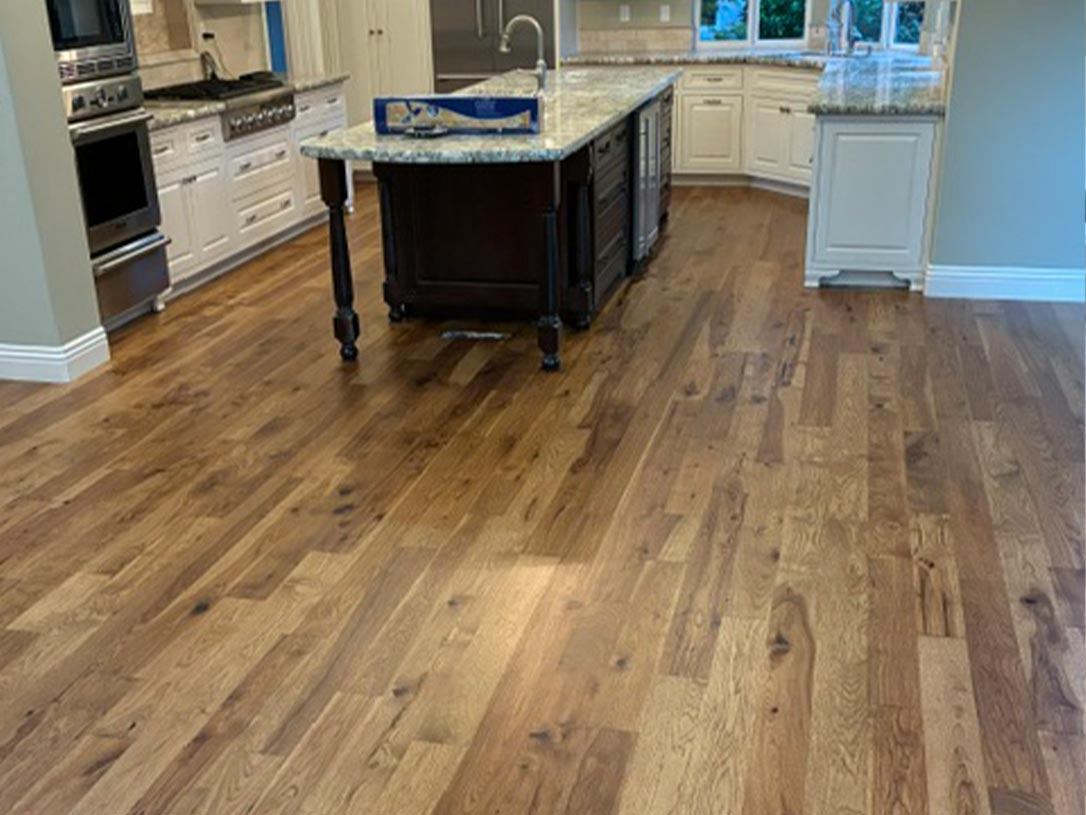
One of the biggest advantages of hardwood floor refinishing is the ability to transform the appearance of a room through a different stain color. For example, our recent hickory pecan hardwood floor refinishing project in Alamo involved removing an existing dark brown finish and introducing warmer Provincial and Chestnut tones. The new appearance allows more of the wood’s natural grain and character to stand out, creating a refreshed look without installing new flooring.
3. Save on Material and Installation Costs
Hardwood floor replacement typically involves removing the existing flooring, disposing of materials, purchasing new hardwood, and completing installation. When existing hardwood is suitable for refinishing, homeowners can often avoid many of these expenses. The actual savings depend on the floor’s condition, square footage, and scope of work, but refinishing is frequently more economical than a complete replacement.
4. Reduce Waste and Preserve Natural Resources
Refinishing existing hardwood also reduces the need for new flooring materials and minimizes demolition waste. For Bay Area homeowners interested in making more sustainable home improvement decisions, restoring existing wood flooring can be a practical choice.
5. Extend the Life of Your Hardwood Floors
Professional sanding and refinishing removes damaged surface material and renews the protective finish. With proper care and maintenance, refinished hardwood floors can provide many additional years of service. However, not every floor is a candidate for refinishing. Severe water damage, structural problems, or insufficient remaining wood thickness may require repairs or replacement.
Our Hickory Pecan Hardwood Floor Refinishing Project in Stonegate, Alamo
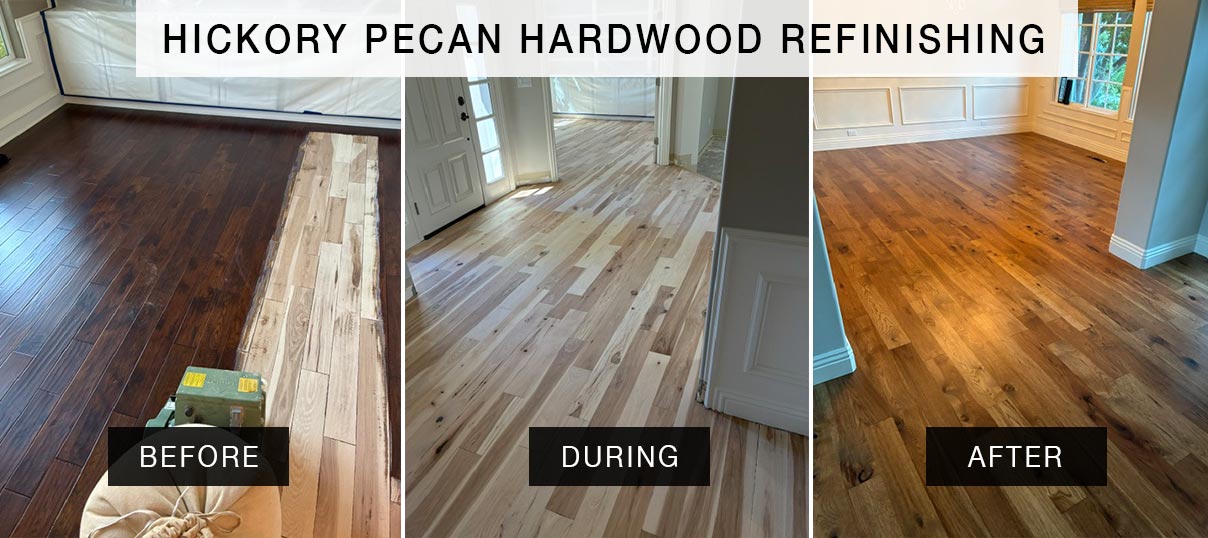
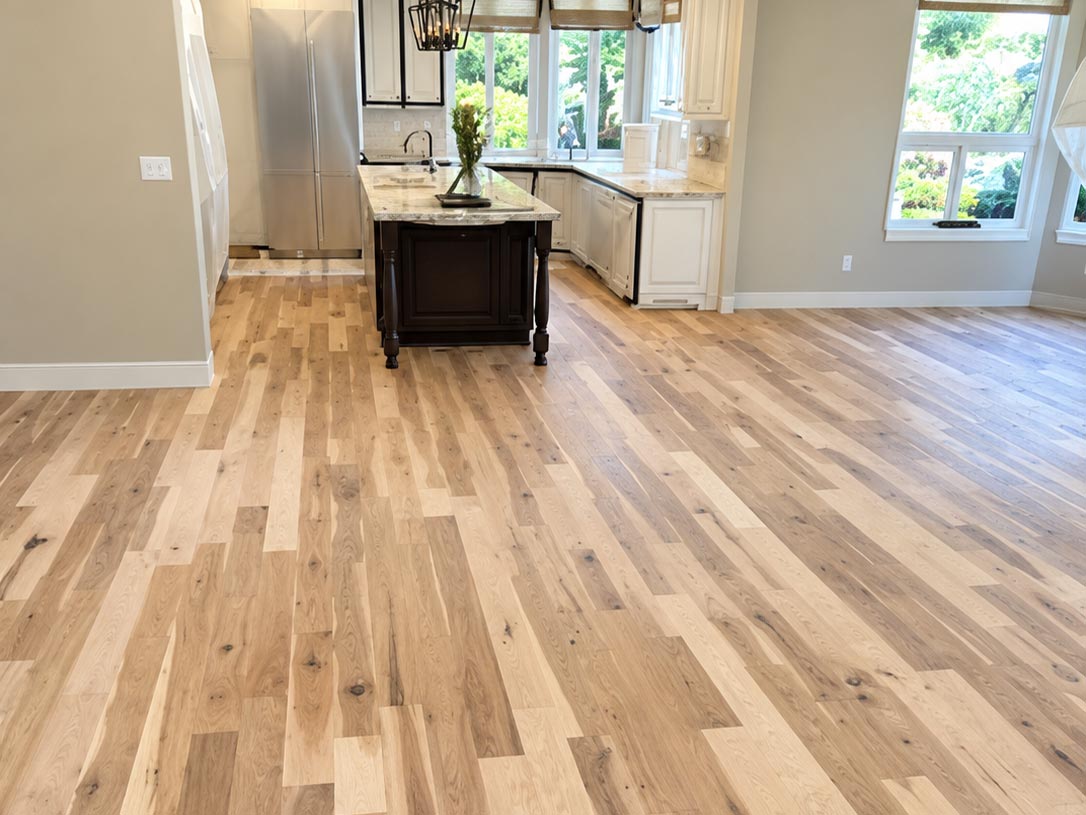
Our recent project in the Stonegate community of Alamo demonstrates how professional hardwood floor refinishing can dramatically change the appearance of an existing floor. The hickory pecan flooring originally featured a deep, dark brown finish that concealed some of the wood’s natural color variation.
By sanding away the existing finish and refinishing the floor with Provincial and Chestnut stain colors, our team helped bring out the distinctive grain patterns and warm tones of the hardwood. Here’s a closer look at the major steps involved in a professional hardwood floor refinishing project.
Step 1: Inspecting and Preparing the Hardwood Floors
Before refinishing begins, the flooring should be evaluated to determine its condition and suitability for sanding. This includes checking for loose boards, significant damage, uneven areas, and other conditions that may require attention before refinishing. The work area must also be prepared. Furniture and other obstacles are removed, and nearby surfaces are protected from dust and debris. During our Alamo project, protective plastic sheeting was installed around portions of the room to help contain dust and protect surrounding areas.
Step 2: Sanding Away the Existing Finish
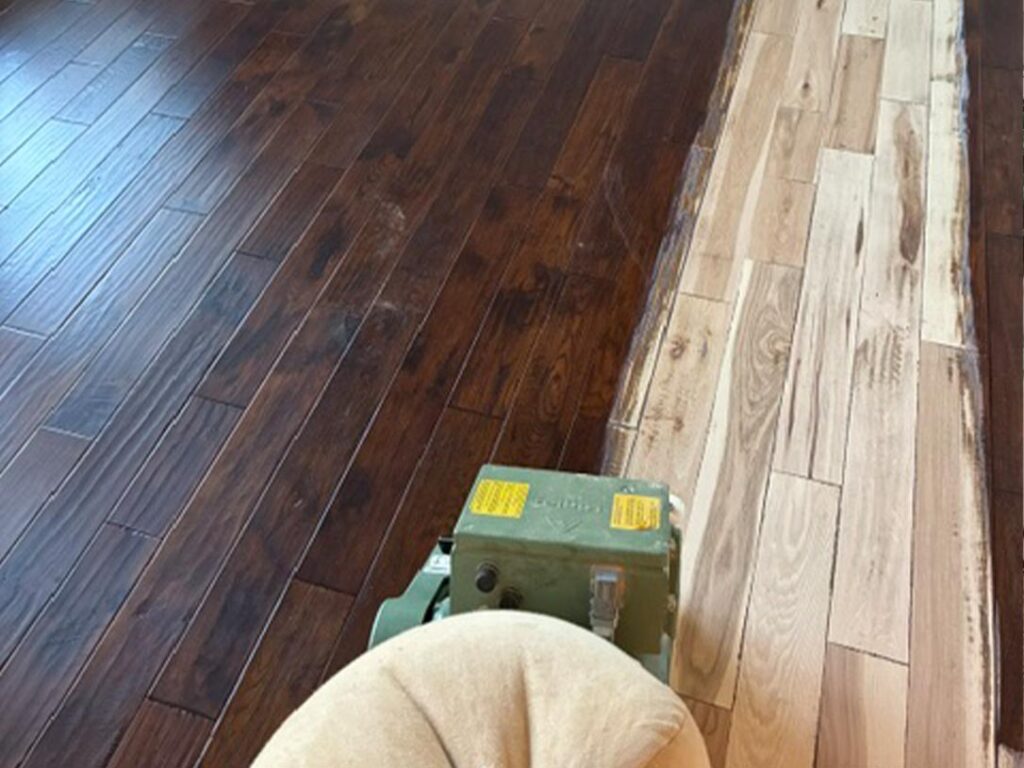
Sanding is one of the most important stages of hardwood floor refinishing. Professional floor sanding equipment removes the existing finish and a thin layer of the wood surface, exposing fresh hardwood beneath. For this particular project, the difference was especially noticeable because the original floor had a dark brown finish. As sanding progressed, the lighter natural hickory pecan became visible, revealing the wood’s contrasting grain patterns and individual board characteristics. Proper sanding requires a controlled, consistent approach to avoid creating uneven areas, scratches, or visible sanding marks.
Step 3: Fine Sanding and Surface Preparation
Once the existing finish has been removed, additional sanding with progressively finer abrasives prepares the hardwood for staining. This step helps smooth the surface, reduce sanding marks, and create a consistent foundation for the new finish. Edges, corners, and areas around architectural features require special attention because large floor sanding machines cannot reach every part of the room. The floor must then be thoroughly cleaned to remove sanding dust and other debris before stain application. Proper surface preparation is particularly important with hickory pecan because variations in wood density and grain can influence the finished appearance.
Step 4: Applying Provincial and Chestnut Stain Colors
Selecting the right stain color is an important part of hardwood floor refinishing. For this Alamo project, Provincial and Chestnut stain colors were used to create a warmer, more natural-looking appearance than the original dark finish. The resulting medium-brown tones complement the hickory pecan’s natural grain patterns while allowing the variations between individual planks to remain visible. Because hickory pecan contains natural differences in color and grain density, some boards may absorb stain differently than others. These variations are part of what gives the finished floor its distinctive character. Professional stain application helps achieve an attractive overall appearance while preserving the natural qualities of the hardwood.
Step 5: Applying a Protective Finish
After staining, hardwood floors require a compatible protective finish to help resist everyday wear, moisture exposure, and surface damage. Depending on the project, professional flooring contractors may use water-based or oil-based polyurethane or other appropriate hardwood floor finishing systems. The number of coats, drying time, and curing requirements depend on the specific product and application method. A properly applied protective finish helps preserve the newly refinished appearance while making the flooring easier to maintain.
Step 6: Final Inspection and Finished Results
The final stage of hardwood floor refinishing involves inspecting the completed surface for consistency, appearance, and overall workmanship. In our Stonegate project, the finished hickory pecan hardwood flooring showcases beautiful warm brown tones, distinctive grain patterns, and the natural variation that makes this wood species so appealing. The transformation from the original dark finish creates a noticeably different appearance throughout the room while preserving the existing hardwood.
Hardwood Floor Maintenance: Clean, Buff & Coat Services
Not every hardwood floor needs to be completely sanded and refinished. For floors with a finish that is still in relatively good condition, professional hardwood floor maintenance may provide a simpler way to refresh the appearance and extend the life of the existing protective coating. One option is a Clean, Buff & Coat service, sometimes referred to as a maintenance recoating or screen-and-recoat process.
What Is a Clean, Buff & Coat Service?
Clean, Buff & Coat is a hardwood floor maintenance process designed to refresh an existing finish without sanding the floor down to bare wood.
Depending on the condition and type of finish, the process generally involves:
- Deep cleaning: Removing dirt, residue, and contaminants that can interfere with coating adhesion.
- Buffing or surface abrasion: Preparing the existing finish to help the new coating bond properly.
- Applying a fresh protective coat: Adding a compatible finish to refresh the surface and provide renewed protection.
Unlike full hardwood floor refinishing, this process does not remove deep scratches, eliminate significant stains, or change the underlying wood color.
When Is Clean, Buff & Coat a Good Option?
This maintenance service may be appropriate when hardwood floors have:
- Light surface scratches and minor wear
- A dull appearance from everyday use
- An existing finish that remains largely intact
- No significant exposed wood or deep damage
- A coating that is compatible with the recoating process
For homeowners in Alamo and the surrounding Bay Area, periodic hardwood floor maintenance can help preserve the appearance of existing flooring and potentially postpone the need for more extensive refinishing. However, floors with deep scratches, substantial finish deterioration, or an outdated stain color may benefit more from complete sanding and refinishing.
Professional Hardwood Floor Refinishing in Alamo and the Bay Area
From the distinctive grain patterns of hickory pecan to the classic appearance of oak and other hardwood species, every wood floor has its own characteristics and refinishing requirements. At Five Star Floors Refinishing & Leveling, we help homeowners restore and maintain their existing hardwood floors through professional sanding, refinishing, and maintenance services.
Our recent hickory pecan hardwood floor refinishing project in Stonegate, Alamo, is an excellent example of how removing an outdated finish and selecting complementary stain colors can transform the appearance of a room while preserving the original flooring.